
We have to stop moralizing recovery.
Hear me say it clearly: if you're not better, that doesn't make you bad.

If there is one insidious lie I would root out of the mental health community, it would be the idea that there is moral superiority in recovering and an inherent failure or badness in continued struggle.
As if it’s a moral failing when a once-broken hip aches before the rain, trembling with aftershocks of pain despite faithfully followed physical therapy.
As if it’s criminal when the cancer recurs following round after round of chemotherapy.
I’ve been around long enough now to watch so many friends give every single ounce of their courage and strength and cleverness and kindness to recover from substance use disorders, from depression, from anxiety, from PTSD, from eating disorders. I’ve been around long enough now to watch them die in the process.
I refuse to believe they were bad.
I am still trying to learn to believe I’m not bad, too.
I had surgery at the beginning of this month to try to correct some emergency medical issues arising from complications from my Severe and Enduring Anorexia Nervosa. I had my reservations, but professionals advised me that it was the only way forward. Intentionally or not, it tapped into the undercurrent of a narrative I have encountered more times than I could count in clinical settings: you got yourself into this mess in the first place. This is all your fault for not being better yet; you should be willing to undergo any amount of suffering to fix it. What’s wrong with you? Just fix it.
So I made the latest in a series of astronomical personal sacrifices to say yes to being rushed into surgery, swallowing my misgivings and dread, trying to do what I believed was right to stave off the constant shadow of this disease, to keep buying myself time back from death.
This surgery has been profoundly helpful for many others in my same position, life-saving and essential, so it was a valid suggestion from professionals. Unfortunately, my body began to reject it almost immediately. A short hospital stay became a long one as my body’s fragile ecosystem collapsed in on itself, a natural disaster leaving an unlivable wasteland behind.
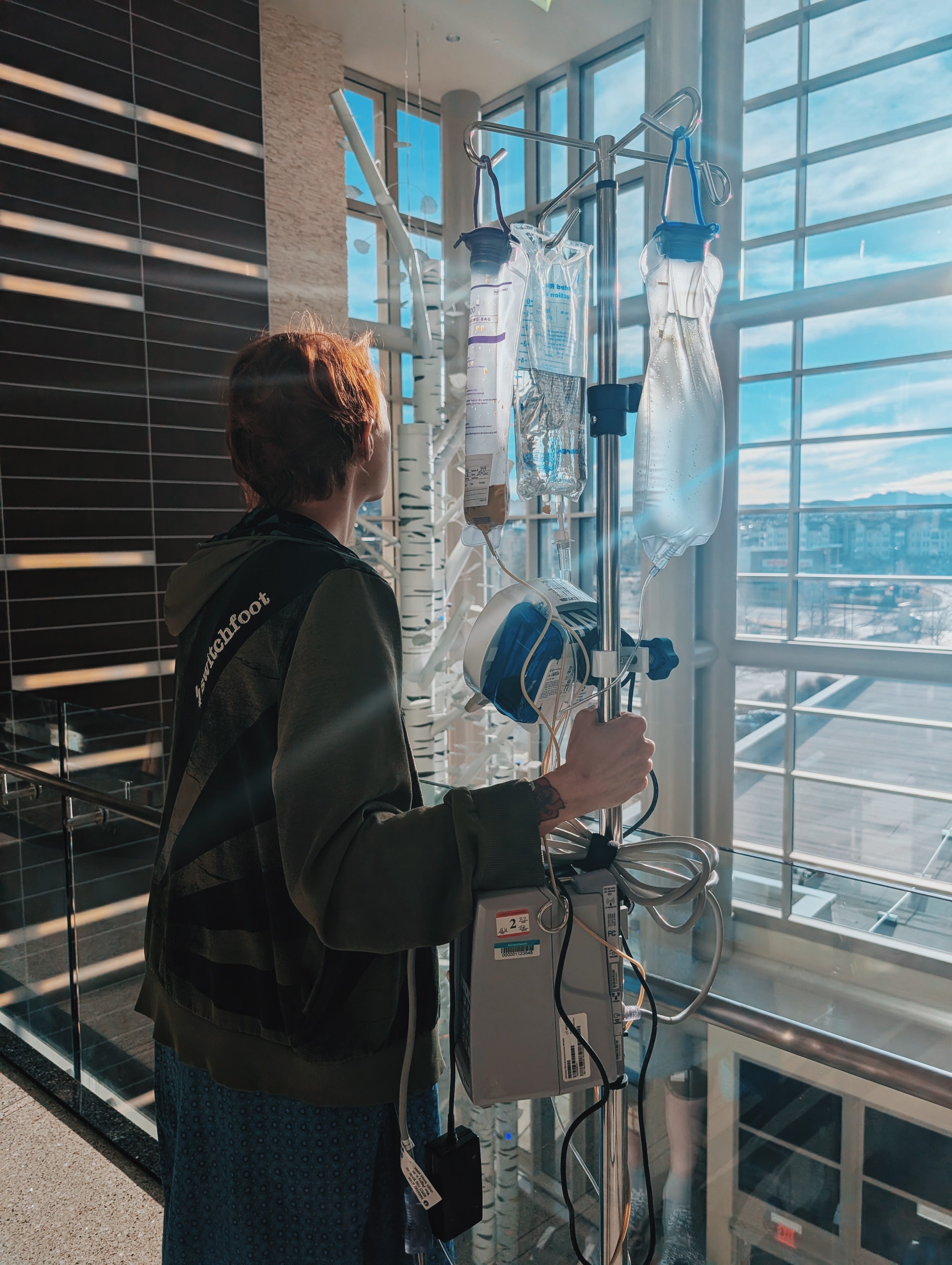
As I’ve returned home and tried to resume my life, I have continued to decline instead of improve, despite so much kindness from my support community. My body continues to reject the surgery, and my shattered, sick system is too depleted to heal.
I have made more terribly costly decisions about next steps, supported by a kind core team that adamantly tells me over and over, “We still need you here, Mary.”
But my conditioning towards self-blame is a deep, well-worn rut.
I quickly found myself in a cycle of finding fault with every single way I’ve navigated the process, feeling like all of this could have been prevented if I’d just advocated for myself better, communicated my own felt sense of frailty better, pushed back on some of what I was told about the mandates of insurance and the medical system’s preferences. I blamed my body most of all, this failing frame that continually betrays my Herculean efforts to preserve it, that seems to develop a new chronic illness annually like it’s got a calendar release schedule.
It’s easier to name myself as bad than it is to accept a world that is chaotic, where safety is never guaranteed, where not every situation is survivable — psychologically or physically.
This is one anecdote I could tell out of hundreds where an uncontrollable, unchosen setback became equated with personal failure.
The far worse examples of this dynamic are those I have witnessed in my friends who have died.
Recently, I spoke to the mother of someone dear to me who died by suicide.
“He wasn’t a failure,” she declared. “How could I blame him for leaving a place where he was in such unbearable pain?”
I wept to hear her speak that profound mercy. I wept because I have watched some of my friends who have died by suicide, died from their eating disorders, died from overdose, demonized as “just not wanting recovery,” as if that amounts to them deserving scorn amid their own death sentences.
Some of the people I have watched die wanted life more than just about anyone else I’ve ever known. So many healthy people are alive more or less by accident. Those who are not sick get the privilege of staying alive as a roll of the dice, as a side effect of having a brain and body that adapt in a particular way.
To live healthy is not moral superiority. It’s often sheer, blind luck.
I don’t know why some of us land in survival mechanisms that ultimately lead to our death. I do know that we almost never consciously choose it. I don’t know why some of us can rigorously engage in every treatment and therapy under the sun and have it still not take. I do know that I have watched people who have never had to sacrifice a single damn thing to stay alive judge, shame, and blame people who have suffered astronomically just to eke out another year or two of life through the hell in their body and brain.
I do not want to glamorize eating disorders or make light of the death toll (as a reminder: eating disorders are the second-deadliest mental illness, and about a third of individuals with Anorexia will die of their illness or the suicide that alleviates the suffering of that illness).
Believe me, there is nothing glamorous about the way my body is cannibalizing itself, about the narrowing rigidity of a starved brain, about my brittle bird-boned spine, about 11 traumatic hospitalizations and treatment episodes plus countless ER visits in 6 years, about trying to live fully while making peace with death. I would not endorse this for anyone.
But increasingly, I am trying to refute the belief that it makes me bad. Even if it kills me.
My friends who have died after fighting unbelievably hard were not bad for being sick. Even on the days when they didn’t want recovery, or at least wanted recovery but simultaneously wanted relief because they were so impossibly tired, they were not evil; they were human, and they were mortally wounded.
I will never stop wishing they could have stayed. I will never blame them for leaving.
There is a beautiful post going around on social media about honoring efforts towards sobriety — however those efforts might end. I have been so moved by it.
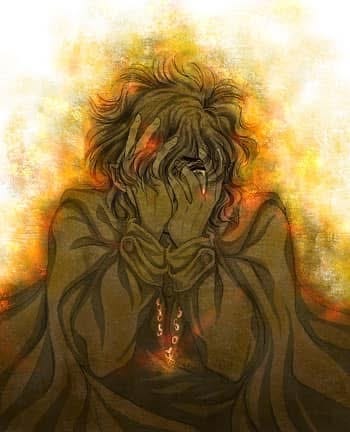
It reminds me of the quotes about Lord of the Rings character Frodo that have given me so much comfort over the years, why it’s so essential both that he tried to keep the Ring and that he ultimately was utterly unable to return to ordinary life in the Shire. It offers grace to any of us who get used up by the act of impossible survival.
“I do not think that Frodo’s was a moral failure. At the last moment the pressure of the Ring would reach its maximum - impossible, I should have said, for any one to resist, certainly after long possession, months of increasing torment, and when starved and exhausted. Frodo had done what he could and spent himself completely (as an instrument of Providence) and had produced a situation in which the object of his quest could be achieved. His humility (with which he began) and his sufferings were justly rewarded by the highest honour; and his exercise of patience and mercy towards Gollum gained him Mercy: his failure was redressed.
We are finite creatures with absolute limitations upon the powers of our soul-body structure in either action or endurance. Moral failure can only be asserted, I think, when a man’s effort or endurance falls short of his limits, and the blame decreases as that limit is closer approached.”
Letter to Eileen Elgar, J.R.R. Tolkien, September 1963
I have spent myself in ways most people will never know trying to recover, and I simply have not managed it. Even if I were to magic the Anorexia from my neural pathways at this very second, after 26 years, I would be managing terminal health impacts until my death, especially because I have so many co-occurring health issues.
I understand that this is deeply painful for those who love me, which is the primary thing that keeps me up at night. I never meant to hurt anyone. I never wanted things to go this way. I still want to minimize my own damage. If I could promise everyone who loves me that I’ll stay forever, I would — but I can’t offer that assurance.
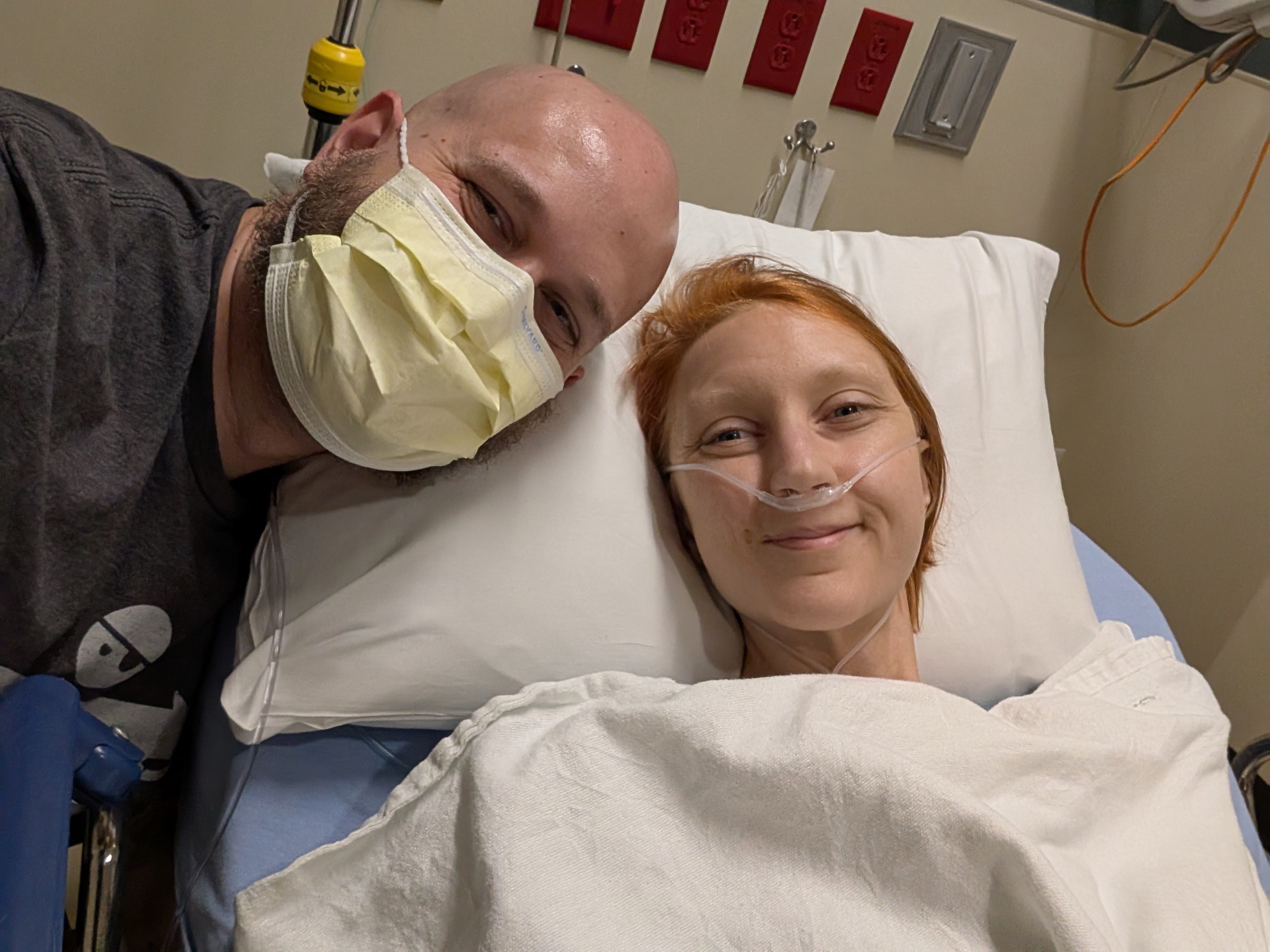
But I can unequivocally say this: traditionally “recovered” or not, I have become more myself along the way. Wherever this journey ends, it will end with me more Mary than I ever was before I got so sick.
I have written before about how my illness was a canary in the coal mine that, in many ways, birthed me into myself. I can wish those abusive circumstances never happened to begin with (and I do). But I would also rather have had a few precious years lived fully aligned with my values than an endless lifetime of cowering in fear.
Make of that what you will. At the end of all of it, as I sit in my latest Valley of the Shadow of Death, sifting through endlessly chipper Eating Disorder Awareness Week posts about how recovery is unequivocally possible, I just want you to hear this:
If you haven’t recovered, you’re not bad. If you have been unable to terraform this earth into something livable for you, you are not a failure. If you have spent incalculable pieces of your selfhood trying to eke out a fragile safety and it hasn’t worked, there is grace, even now, for you.
And I like to believe that in the end, for all of us failures, all of us sick and wounded and scarred, all that will be left waiting is Love.
My friend's dad, a pastor, told her that suicide is terminal depression. That helped frame my dad's struggle.
So beautiful. We blithely say “mental illness is ILLNESS” and then expect people to try so hard to fix themselves. People die of chronic illness all the time. It’s allowed.